Skip to content
evalua
Buyer’s Guide

How to Buy Property in the Dominican Republic — Step by Step

If you’ve bought property in the US, Canada, or Europe, the Dominican Republic process will feel familiar in structure but different in execution. The steps are logical. The risks are real. And the difference between a clean transaction and a painful one almost always comes down to two things: who you hire as your attorney and how thoroughly you run due diligence before signing anything.

Overview — The 6 Stages

  1. Property search and letter of intent
  2. Due diligence
  3. Promesa de Venta (purchase agreement + deposit)
  4. Pre-closing verification
  5. Title transfer (Acto de Venta)
  6. Registration and new certificate of title
Typical total timeline: 60 to 120 days for a clean transaction. Complex titles, financing, or unresolved permit issues can push this to 6 months or longer.
Modern wood and stone house in the Dominican Republic

Stage 1 — Property Search and Letter of Intent

You find a property you want to pursue. Before any money changes hands, your agent or attorney may draft a Letter of Intent (LOI) — a non-binding document that signals your interest and opens negotiation on price and terms.

This is also the moment to ask the seller or agent for:

  • The certificate of title (Certificado de Título)
  • The property registration number (matrícula)
  • Any existing liens, mortgages, or encumbrances
  • Permit status for the structure (if applicable)
  • CONFOTUR certification documents (if advertised)

Don’t pay anything at this stage. An LOI is not a contract.

Stage 2 — Due Diligence

This is the most important stage of the entire process, and the one most foreign buyers rush or skip. Your attorney must independently verify:

Title status
Confirm the seller actually owns what they’re selling and that the title is clean. In the DR, titles exist in a hierarchy: a Certificado de Título (registered title) is the gold standard. A Constancia Anotada is weaker — it indicates possession rights but not full ownership. Avoid buying on a Constancia Anotada unless you understand exactly what you’re getting.
Deslinde status
Deslinde is the formal land boundary demarcation process. Properties that haven’t completed deslinde may have boundary disputes, overlapping claims, or unresolved cadastral issues. This is especially common in coastal and rural areas. It’s not necessarily a dealbreaker, but you need to know.
Liens and encumbrances
Your attorney checks the property’s record at the Title Registry (Registro de Títulos) for mortgages, judicial liens, or any third-party claims against the property.
Building permits
Structures built without permits (planos aprobados) are common in the DR. Unpermitted construction can create complications at resale and is a risk if the municipality ever enforces. Ask for the approved plans and construction permit.
HOA status
If the property is in a gated community or condominium, verify there are no outstanding HOA fees owed by the current owner. These can transfer with the property.
Due diligence typically takes 2 to 4 weeks when titles are clean. Longer if issues surface.

Stage 3 — Promesa de Venta (Purchase Agreement)

Once due diligence is complete and you’re satisfied with what was found, you sign the Promesa de Venta — the formal purchase and sale agreement. This is a binding contract.

What it includes:

  • Full identification of both parties
  • Legal description of the property
  • Agreed purchase price and currency
  • Deposit amount (typically 10–30% of the purchase price)
  • Conditions and contingencies
  • Closing deadline
  • Penalties for default by either party

The deposit is paid at this stage, held either in your attorney’s escrow account or transferred directly to the seller (less common but happens). Make sure the contract specifies what happens to the deposit if either party defaults — this is negotiable and varies.

Your attorney drafts or reviews this document. Never sign a Promesa provided solely by the seller’s agent without independent legal review.

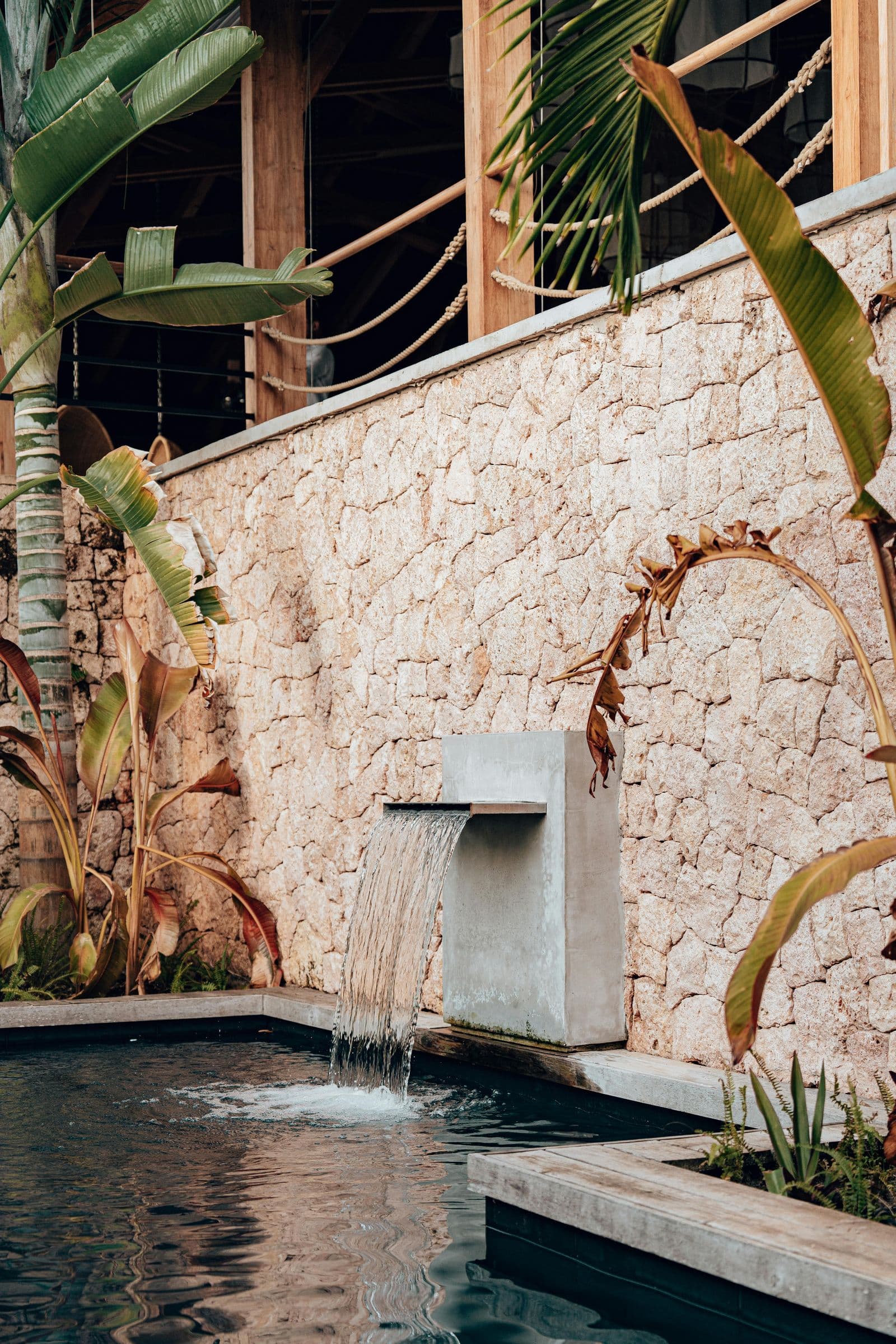
Tropical stone wall with water feature at a Dominican property

Stage 4 — Pre-Closing Verification

In the weeks between the Promesa and closing, your attorney completes any remaining verification and prepares closing documents. This includes:

  • Confirming no new liens have been registered since due diligence
  • Verifying all agreed repairs or conditions have been met
  • Preparing the Acto de Venta (deed of sale)
  • Calculating final costs and confirming fund transfer logistics

If you’re purchasing in a CONFOTUR project, your attorney confirms the resolution is current and will be properly reflected in the transfer documents.

This is also when you arrange fund transfer — most DR transactions are conducted in USD. Wire transfers are the norm. Have your bank ready to move funds on short notice once closing is confirmed.

Stage 5 — Title Transfer (Acto de Venta)

Closing in the DR is done before a Notary Public (Notario Público). Both buyer and seller (or their authorized representatives via poder notarial / power of attorney) sign the Acto de Venta — the deed of sale.

The notary authenticates the document and witnesses the transaction. This is not the same as a closing attorney in the US context — the notary’s role is administrative authentication, not legal protection of either party. Your attorney is separate and represents your interests.

Once signed, the remaining purchase price balance is transferred.

Can you close remotely? Yes. A power of attorney (poder notarial) allows your attorney to sign on your behalf at closing. This is common for foreign buyers who aren’t present in the DR. The power of attorney must be notarized and apostilled in your home country, then legalized for use in the DR.

Stage 6 — Registration and New Certificate of Title

After the Acto de Venta is signed, your attorney files it with the Title Registry (Registro de Títulos) in the jurisdiction where the property is located. The registry:

  • Cancels the seller’s certificate of title
  • Issues a new Certificado de Título in your name

This process takes 4 to 12 weeks depending on the registry’s backlog and whether any issues surface during processing. Until you receive the new certificate, you are the owner of record — but the title is in process.

Do not let anyone pressure you into forgoing this step. Informal transactions where the deed is signed but never registered leave you with no legal title and no protection.

What It Costs

Here’s a realistic cost breakdown for a standard transaction:

CostWho PaysAmount
Transfer tax (ITP)Buyer3% of assessed value (waived with CONFOTUR)
Attorney feesBuyer1–1.5% of purchase price
Notary feesSplit or buyer~0.25–0.5%
Title Registry feesBuyer~0.5%
Agent commissionSeller (typically)3–5% of sale price
Title searchBuyer$300–600 flat
Total buyer closing costs~4–6% without CONFOTUR, ~1.5–3% with CONFOTUR

Always get a closing cost estimate from your attorney in writing before signing the Promesa.

The Most Common Problems — And How to Avoid Them

Clouded title
The seller doesn’t have clean ownership to convey. Your title search catches this. Never skip it.
Unpermitted construction
The villa was built without approved plans. Manageable if disclosed and priced accordingly; a problem if you discover it at resale.
Informally held property
The seller has a Constancia Anotada or even just physical possession, not a registered title. Proceed only with experienced legal counsel and eyes open.
Missing deslinde
Boundary disputes that emerge years after purchase. More common in coastal areas where land values have risen faster than cadastral processes have kept up.
Deposit paid before due diligence
The single most common mistake foreign buyers make. Due diligence first, deposit second. Always.
Power of attorney abuse
Verify any power of attorney being used at closing was issued by you, is current, and has not been revoked.

Choosing an Attorney

Your real estate attorney is the most important professional in this transaction. Not your agent, not the developer’s legal team — an independent attorney you hire directly.

What to look for:

  • Licensed to practice in the Dominican Republic (exequátur)
  • Experience specifically with real estate transactions in the area where you’re buying (Las Terrenas/Samaná attorneys know the local registry; Santo Domingo attorneys may not)
  • Fluent in your language or with reliable translation
  • Flat-fee or transparent hourly structure disclosed upfront
  • References from prior foreign buyer clients

Do not use the attorney recommended exclusively by the selling agent or developer without independent vetting. Their interests are not yours.

Foreigners and Property Rights

Foreign nationals have the same property ownership rights as Dominican citizens. There are no restrictions on foreign ownership of real estate in the DR — you can hold title directly in your own name, through a Dominican corporation (SRL or SA), or through a foreign entity.

Holding through a corporation has tax and estate planning implications that are beyond the scope of this page — discuss with your attorney and, ideally, an international tax advisor familiar with your home country’s treatment of foreign real estate.

Before you sign the Promesa de Venta, know your numbers.
An Evalua investment report gives you the full financial picture on any DR listing — ROI, rental yield, cost of ownership, and market value assessment — so you negotiate with facts, not assumptions.

Quick Reference — Timeline Summary

StageWhat HappensTypical Duration
Search + LOIIdentify property, open negotiationDays to weeks
Due diligenceTitle, liens, permits, boundaries verified2–4 weeks
Promesa de VentaContract signed, deposit paid (10–30%)1 week to negotiate
Pre-closing prepDocuments prepared, funds arranged2–6 weeks
Acto de VentaDeed signed before notary, balance paid1 day
Title registrationNew certificate issued in your name4–12 weeks
Total60–120 days typical
This page is for informational purposes only and does not constitute legal advice. Dominican real estate law and procedures can vary by jurisdiction and change over time. Always retain a qualified Dominican attorney for any property transaction.