Pitfalls of Buying Property in the Dominican Republic
The nine mistakes that cost foreign buyers most in the Dominican Republic — from paying a deposit before due diligence to overpaying without market data — and exactly how to avoid each one.
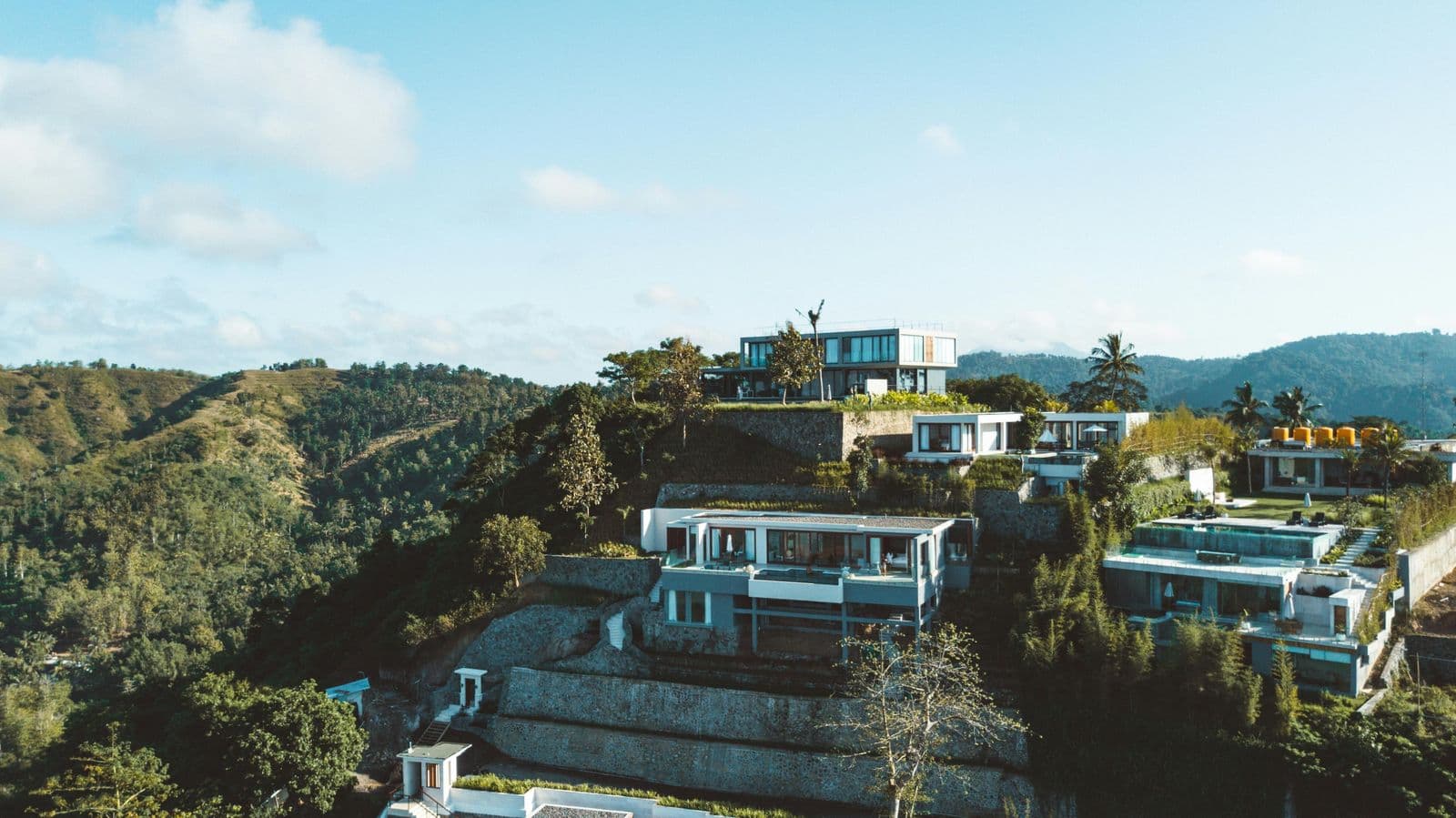
The Dominican Republic is a genuinely good place to buy property — open to foreigners, strong rental demand, and generous tax incentives. But nearly every bad outcome foreign buyers experience comes from the same short list of avoidable mistakes. None of them are exotic. All of them are preventable.
Here are the nine pitfalls that cost foreign buyers the most, and how to stay clear of each.
The DR Is Safe to Buy In — If You Avoid These Traps
There is no restriction on foreign ownership and no restricted coastal zone in the DR. The risk is never your nationality — it is skipping the checks that a disciplined buyer always runs. Treat the list below as a pre-flight checklist.
Key Takeaway: The single thread connecting every pitfall is sequence: verify first, commit second. Buyers who reverse that order are the ones who get hurt.
Pitfall 1: Paying a Deposit Before Due Diligence
This is the most common and most costly mistake. Once your money is in, your leverage is gone. Run the full title and legal check before any deposit, and make the Promesa de Venta conditional on clean due-diligence findings. See our guide to title search and due diligence for what that check covers.
Pitfall 2: Using the Seller's or Developer's Attorney
The seller's lawyer works for the seller. The developer's legal team works for the developer. Neither represents you. Hire your own independent attorney, licensed in the DR and experienced in the area where you are buying — Las Terrenas and Samaná registries differ from Santo Domingo.
Pitfall 3: Buying on a Constancia Anotada Without Understanding It
A Certificado de Título is a registered title — the gold standard. A Constancia Anotada is weaker: it signals rights within a larger untitled parcel, not full individualized ownership. Buying on a Constancia is not always wrong, but doing it without understanding the difference is. Insist on knowing exactly what document conveys ownership.
Pitfall 4: Ignoring Deslinde (Boundary) Status
Deslinde is the formal demarcation of a property's legal boundaries. Skip it and you risk overlapping claims and disputes that surface years later — especially on coastal and rural land where values have outrun cadastral records. Confirm the deslinde status before you commit.
Pitfall 5: Unpermitted Construction
Structures built without approved plans (planos aprobados) are common. They can complicate resale and expose you to municipal enforcement. Ask for the construction permit and approved plans, and confirm what is built matches what is on paper.
Pitfall 6: Overpaying Because You Don't Know the Market
Foreign buyers without local price context routinely overpay — sometimes badly. Asking prices in the DR are negotiable and vary widely for similar properties. Before you make an offer, know the realistic price per square meter and the rental math for the area. This is exactly what an Evalua report gives you in minutes.
Pro Tip: The cost of overpaying dwarfs every closing fee. A 10% overpay on a $300,000 property is $30,000 — more than all your closing costs combined. Market data is the cheapest insurance you can buy.
Pitfall 7: Paying a Premium for a CONFOTUR Label That Doesn't Pencil
CONFOTUR is valuable — it can waive the 3% transfer tax and annual property tax for years. But some sellers price the label as a premium that exceeds the actual savings, or market a certification with few exemption years left. Verify the resolution date and run the numbers. Our CONFOTUR guide explains how.
Pitfall 8: Underbudgeting Closing and Carrying Costs
The sticker price is not your cost. Budget 3.5–5% in closing costs on top of the price, plus annual carrying costs — property tax (IPI), HOA, insurance, maintenance, and the broader cost of living in Las Terrenas. Buyers who plan only for the purchase price get an unwelcome surprise at closing and again every year after.
Pitfall 9: Off-Plan Purchases Without Vetting the Developer
Pre-construction can offer better prices and payment plans, but it concentrates risk on one thing: does the developer deliver? Check their track record, completed projects, and the contract's protections for delays or non-completion before committing capital to something that does not yet exist.
The Through-Line: Verify, Then Buy
Every pitfall here is a variation on the same theme — acting before verifying. A disciplined process (independent attorney, full due diligence, market data, realistic budget) eliminates nearly all of them. For the full sequence, see our step-by-step guide to buying property in the Dominican Republic.
Frequently Asked Questions
Is it risky to buy property in the Dominican Republic?
Only if you skip due diligence. The DR allows full foreign ownership with the same rights as citizens. The real risks — clouded title, boundary disputes, overpaying — are all preventable with an independent attorney and proper verification before you pay.
What is the most common mistake foreign buyers make in the DR?
Paying a deposit before completing due diligence. Once funds are committed, your leverage disappears. Always make the purchase agreement conditional on clean title and legal findings.
Should I use the real estate agent's recommended lawyer?
No. Hire your own independent attorney. The agent's, seller's, or developer's lawyer represents their interests, not yours.
How do I avoid overpaying for property in the DR?
Get local market data before you make an offer — realistic price per square meter and rental yield for the area. Asking prices are negotiable and vary widely, so an independent valuation is the best protection against overpaying.
Is buying a CONFOTUR property always a good deal?
Not automatically. CONFOTUR can save thousands, but only if the exemption has years left and the seller hasn't priced the label above its actual value. Verify the resolution date and run the numbers before paying a premium.
What hidden costs should I budget for?
Closing costs of roughly 3.5–5% of the price, plus annual carrying costs: property tax (IPI), HOA fees, insurance, and maintenance. Budgeting only for the purchase price is a frequent and avoidable mistake.
Last reviewed: 2026. This page is for informational purposes only and does not constitute legal, tax, or financial advice. Always retain a qualified, independent Dominican attorney before any property transaction.
Avoid the Most Expensive Pitfall of All: Overpaying
Most of these mistakes cost a few thousand dollars. Overpaying can cost tens of thousands. Run any DR listing through Evalua for an instant report on its value, ROI, and rental yield before you make an offer.
Analyze a Property →